What did the researchers compare?
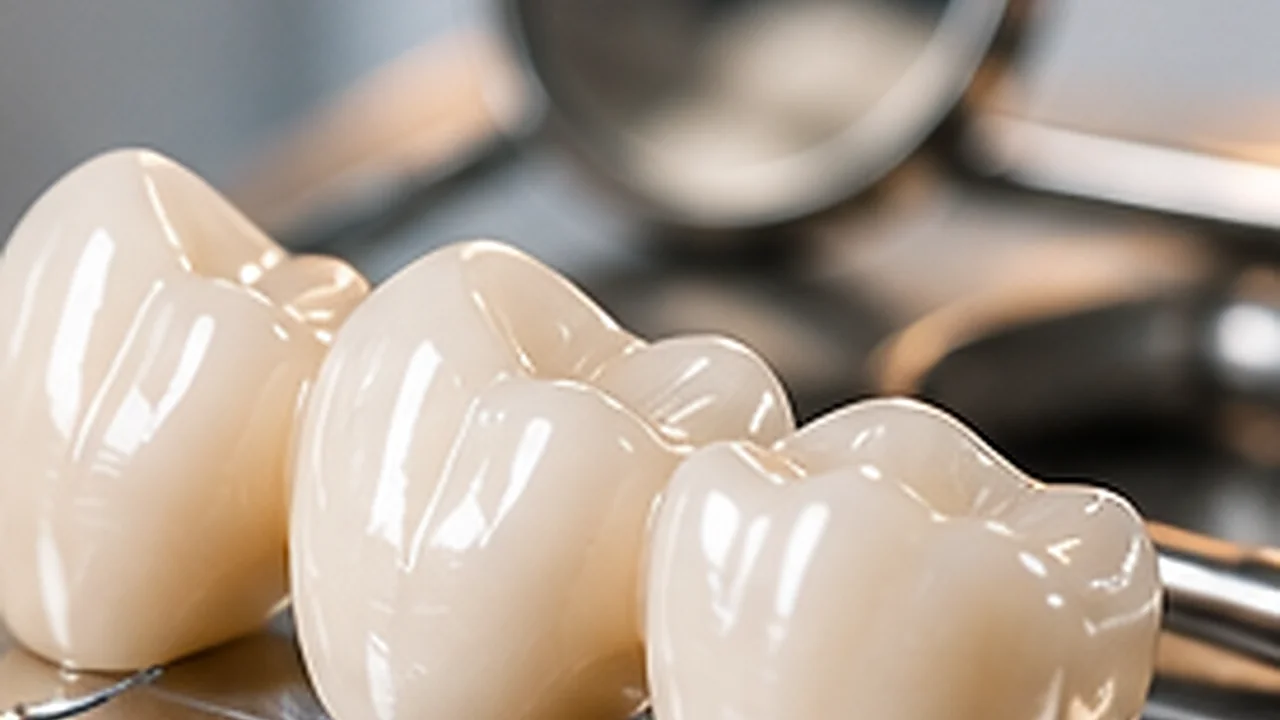
The study enrolled 56 adults who needed a single crown on a back tooth. Participants were randomly assigned either a definitive 3D-printed resin crown or a monolithic zirconia crown. Clinicians assessed crown fit, surface wear, fractures, gum-related outcomes and patient satisfaction over one year.
The findings apply to the particular materials and techniques studied. They should not be generalized to every form of 3D printing or to every digital dental restoration.
The main results
Six resin crowns and two zirconia crowns fractured during follow-up. Fracture-free survival at one year was 78.6% for resin and 92.9% for zirconia, although the difference did not reach statistical significance. Measured chewing-surface wear was significantly greater with resin. Seven of the eight fractures occurred in the furthest-back restored teeth, highlighting the role of heavy biting forces.
The study did not find significant differences in periodontal measures or patient satisfaction. Its authors cautioned that longer-term evidence is needed before wider adoption of these printed resin crowns as permanent posterior restorations.
What does this mean for patients?
Material choice should reflect more than appearance or turnaround time. Tooth position, bite, grinding habits, remaining tooth structure and planned longevity all matter. A crown that fits accurately may still wear differently from another material under years of chewing.
At KIM LUX Dental in Nha Trang, patients can discuss crown options after an examination. A clinician can explain why zirconia, another ceramic or a different restoration may suit an individual tooth.
Keep the evidence in perspective
This was a 56-person trial lasting only 12 months. It does not prove that all printed crowns fail early, nor does it guarantee a particular lifespan for zirconia. Individual planning and follow-up remain essential.
Primary research sources
- Evaluation of full-veneer crowns fabricated with 3D printing resin material for definitive prostheses: A 1-year randomized controlled prospective study · Journal of Dentistry · 2026-10-07 · DOI: 10.1016/j.jdent.2026.107097
This article is for general information and does not replace an examination or advice from a dentist. Mentioning a technology does not mean the clinic provides it.